









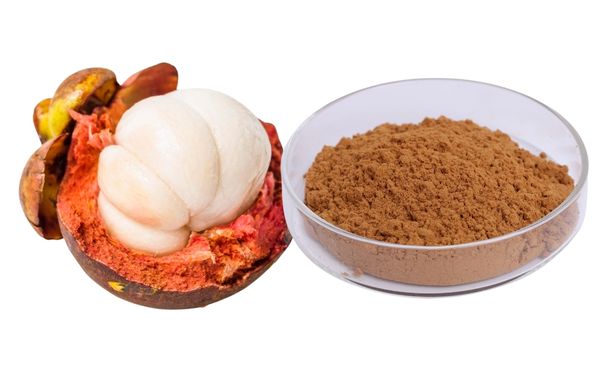
The mangosteen, with its deep purple hull and fragrant, snow-white flesh, is often called the "queen of fruits." Beyond its revered taste in Southeast Asia, the rind—traditionally used in herbal practices—has become the source of a potent extract. Rich in xanthones, a class of antioxidants, mangosteen extract is sought for inclusion in dietary supplements and wellness formulas. For brands navigating the global ingredients market, China appears as a major wholesale source. However, sourcing mangosteen extract from this origin is less a straightforward purchase and more an exercise in navigating a complex botanical matrix, where quality, traceability, and verifiable science are the true commodities.
First, a critical distinction must be made: the mangosteen (Garcinia mangostana) is not native to mainland China. Its cultivation is rooted in tropical Southeast Asia—Thailand, Indonesia, Malaysia, Vietnam. Therefore, Chinese suppliers often operate as processors and traders rather than growers. They import dried mangosteen rind (the pericarp) in bulk, then undertake the extraction, concentration, and standardization processes. This positioning creates the primary dynamic: China offers competitive pricing and advanced manufacturing scale, but the quality narrative begins long before the raw material reaches a Chinese factory. The provenance of the raw rind is the first, and often most opaque, link in the chain.
The technical heart of the transaction lies in the standardization of the extract. "Mangosteen extract" is a vague term. Informed buyers focus on the standardization to specific xanthones, primarily alpha-mangostin and gamma-mangostin. A supplier should readily provide a Certificate of Analysis (CoA) specifying that the product is standardized to, for example, "10%, 20%, or 40% alpha-mangostin." This figure is not just a marketing point; it is a measurable benchmark for potency, consistency, and ultimately, efficacy in the finished product. It transforms a variable botanical powder into a reliable ingredient. The extraction method—whether using ethanol, water, or supercritical CO2—also impacts the phytochemical profile and should be disclosed, as it influences both the safety profile and the extract's applicability in different product formulations.
Engaging with a Chinese supplier on this ingredient requires a dialect of specificity and verification. Initial inquiries should move past generalities and target these key specifications: xanthone standardization percentage, the form of the extract (powder, liquid), residual solvent levels (if applicable), and heavy metal/pesticide testing results. Given the multi-country journey of the raw material, comprehensive contaminant testing is non-negotiable. A professional supplier will treat these requests as routine, providing recent, third-party lab CoAs. For first-time partnerships or large contracts, investing in a parallel test of a sample batch through an independent lab in the buyer's region is a standard and wise practice to confirm the supplier's claims.
This path is lined with specific challenges. The opacity of the raw material supply chain is paramount. Questions about agricultural practices, post-harvest handling, and the drying process of the rind are difficult to answer definitively through a processor several steps removed. This makes the supplier's quality control protocols and their relationship with their suppliers critical. Variation in raw rind quality can lead to batch inconsistency in the final extract if not meticulously managed. Furthermore, the market is sensitive to hype. Extravagant or unsupported health claims about the extract can sometimes overshadow the need for grounded, scientific documentation. A reliable supplier focuses on the specifications of their product, not medical outcomes.
The landscape for mangosteen extract is thus one of layered vigilance. Successful sourcing is less about finding the lowest price per kilo and more about identifying a supplier who acts as a competent and transparent filter. The ideal partner understands this complexity. They can provide clear documentation that traces the chain of custody and quality as far back as possible. They have robust in-house testing to ensure batch-to-batch uniformity for xanthone content. They communicate in terms of data and specifications, rather than just folklore about the "queen of fruits."
For brands, this means that due diligence is the core of the procurement process. It involves auditing not just the Chinese processor's facility, but also their standard operating procedures for raw material qualification. It requires building a relationship where transparency is expected and verified.
Ultimately, wholesale mangosteen extract from China represents a confluence of global botany and modern manufacturing. It offers access to a sophisticated production ecosystem capable of delivering a standardized, potent ingredient. The opportunity is real, but it is framed by a fundamental rule: the integrity of the final extract is inextricably linked to the integrity of the process at every stage, from the foreign orchard to the factory floor. Navigating this matrix successfully allows brands to harness the potential of this unique fruit, ensuring that what ends up in the bottle truly honors the complex legacy of the mangosteen.
Comments (0)