







Walk through any vitamin aisle or scroll through online supplement stores, and you’ll likely see lutein listed. Celebrated for its role in supporting eye health, this carotenoid has found its way into countless softgels, powders, and fortified foods. But for a significant portion of the world’s supply, the story begins not in a laboratory capsule, but in vibrant fields of orange and yellow marigold flowers, and increasingly, in the processing plants of Chinese suppliers. Sourcing wholesale marigold flower extract lutein from China is a major consideration for brands worldwide, a move wrapped in both clear advantages and necessary diligence.
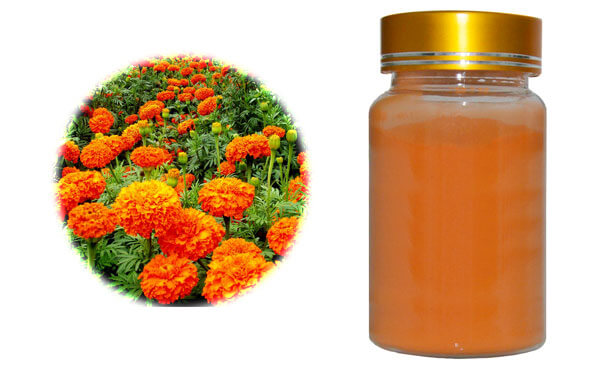
Unlike synthetic alternatives, lutein derived from marigolds is extracted from a natural source. The specific marigold used is Tagetes erecta, often called the Aztec or African marigold. Cultivating these flowers and concentrating their potent pigments into a stable, standardized extract is a complex agricultural and manufacturing process. China has become a central player in this field. The reasons are rooted in scale and integration. Many Chinese suppliers control the process from petal to powder, managing vast cultivation bases to secure raw material and operating advanced facilities for extraction and purification. This vertical integration, combined with significant production capacity, often translates into competitive pricing and the ability to fulfill large wholesale orders—a compelling proposition for brands looking to manage costs.
The technical specifications of the extract are where the real conversation begins. For buyers, the key metric is the concentration of lutein, typically expressed as a percentage. Common commercial grades range from 5% to 20% in various formulations (like powders or beadlets), with higher concentrations commanding a higher price. The form is equally important: esterified lutein (the natural form in the flower) versus free lutein (hydrolyzed), with the latter often cited for its bioavailability. A reputable supplier should provide transparent documentation, including Certificates of Analysis (CoAs) from third-party labs. These verify not only the lutein potency but also the absence of unacceptable levels of solvents, heavy metals, and pesticides. This paperwork isn’t bureaucratic; it’s the backbone of a quality transaction.
Engaging with a Chinese supplier is rarely a simple online checkout. It is a process built on communication and clarity. Initial contact involves specifying your needs: target concentration, desired annual volume, and preferred formulation. Quotations will follow, but the cif price for a 20-kilogram drum is very different from the fob price for a 200-kilogram batch. Understanding these Incoterms—who pays for shipping, insurance, and handles import duties—is crucial for calculating your true landed cost. For new relationships, starting with a sample batch for your own quality verification is a standard and prudent step. It allows you to test the extract’s compatibility with your manufacturing process and final product stability.
This path, however, is not without its potential challenges. The market is diverse, with variances in operational scale and quality control rigor between different manufacturers. The most common concerns revolve around consistency—can batch 1025 match the precise color and potency of batch 1001?—and the robustness of quality assurance systems. This is where due diligence moves beyond spreadsheets. For a commitment of any significant scale, an in-person audit of the supplier’s facility is invaluable. Seeing the equipment, the cleanliness standards, the lab testing protocols, and discussing processes directly with the technical team offers a level of assurance that datasheets alone cannot.
The landscape is also evolving. While price remains a dominant factor, leading Chinese suppliers are increasingly investing in research to improve bioavailability and develop novel, stable formulations. They are responding to global demand for cleaner labels, offering extracts derived with more refined methods. The dialogue has progressed from mere cost to encompass consistent quality, supply chain transparency, and technical partnership.
Sourcing marigold extract lutein from China is, therefore, a strategic decision. It offers access to a mature, scaled supply chain capable of meeting global demand. Success hinges on a buyer’s willingness to engage deeply: to ask specific questions, to verify claims with independent data, and to view the supplier not as a anonymous factory but as a critical link in your product’s chain. The goal is not to find the cheapest option, but to find a competent and reliable partner. In the world of ingredient sourcing, that reliable partner provides the steady foundation upon which brands can build products that consumers trust, one softgel at a time.
Comments (0)