









There is something quietly remarkable happening in the world of natural ingredients. While much of the industry attention has focused on exotic botanicals from remote corners of the world, one of the most versatile and scientifically validated ingredients comes from a source so familiar it is often overlooked: the humble apple. Apple polyphenols, the bioactive compounds concentrated in the skin and flesh of apples, have emerged as a powerhouse ingredient with applications spanning nutraceuticals, functional foods, and cosmetics .
For manufacturers and formulators looking to incorporate these compounds into their products, China has become an indispensable part of the global supply chain. The country's combination of raw material access, extraction expertise, and manufacturing infrastructure creates a sourcing landscape worth understanding.
The Science Behind the Ingredient
Apple polyphenols are not a single compound but a family of bioactive molecules that work together to deliver health benefits. The primary components include flavonoids like quercetin, kaempferol, and catechins; phenolic acids such as chlorogenic and caffeic acid; dihydrochalcones including phlorizin; and various tannins and anthocyanins . Each of these compounds contributes to the overall efficacy of the extract.
What makes this ingredient particularly valuable is the breadth of its documented biological activity. Scientific literature has established that apple polyphenols possess potent antioxidant, anti-inflammatory, anti-cancer, and anti-aging properties . The mechanisms are multifaceted—they scavenge free radicals, upregulate the body's own antioxidant enzymes, modulate cell signaling pathways, and protect DNA from oxidative damage .
For product developers, this translates into versatile formulation opportunities. In dietary supplements, apple polyphenols support cardiovascular health, metabolic function, and immune resilience. Research has demonstrated their efficacy in reducing LDL cholesterol by 12-15% with regular consumption, creating substantial demand from manufacturers targeting heart health . The functional food and beverage sector has embraced these compounds as clean-label alternatives to synthetic antioxidants, with applications ranging from fortified beverages to energy bars .
The cosmetics industry represents a rapidly growing application area. Apple polyphenols' anti-glycation properties make them particularly valuable in anti-aging formulations, where they complement ingredients like collagen and hyaluronic acid . Premium skincare brands are incorporating these compounds at 2-5% concentrations in serums, creams, and sunscreens designed to neutralize free radicals and protect against UV-induced damage .
Market Dynamics and Growth Trajectory
The commercial potential of apple polyphenols is substantial and well-documented. The global market was valued at approximately USD 392.5 million in 2025 and is projected to reach between USD 632.9 million and USD 1.2 billion by 2032, representing compound annual growth rates of 6.5% to 7.1% . This steady expansion reflects increasing consumer awareness of natural antioxidants and the global shift toward preventive healthcare.
By application, dietary supplements currently dominate, accounting for the largest market share, followed by functional foods and beverages . The cosmetics segment is projected to grow at the fastest rate, with a CAGR approaching 9.8% through 2032, as beauty-from-within concepts gain traction and consumers seek natural alternatives to synthetic actives .
North America and Europe lead the market in terms of current consumption, driven by established health and wellness industries and high consumer awareness. However, Asia-Pacific is emerging as the fastest-growing region, with projected growth of 8.9% CAGR through 2032, fueled by rising disposable incomes, urbanization, and an expanding middle class increasingly interested in functional ingredients .
China's Role in the Supply Chain
Within this growing global market, China occupies a strategic position. The country hosts numerous manufacturers capable of producing apple polyphenols at commercial scale, with production concentrated in several key regions.
Shaanxi Province, particularly the capital Xi'an, has established itself as a hub for botanical extraction. Companies like Xi'an Haotian Bio-engineering Technology operate in this region, benefiting from the mature ecosystem of research labs, extraction facilities, and export logistics that have developed over decades . The province's concentration of GMP-certified facilities and technical expertise makes it a natural starting point for buyers seeking reliable supply.
Jiangsu Province is home to suppliers such as Jiangsu High Hope International Group Sunshine Chemical Corporation, which offers water-soluble, beverage-grade apple polyphenol extracts suitable for nutritional supplement applications . Companies in this region often emphasize their research partnerships with universities and scientific institutions, reflecting the technical depth required for consistent extract production.
Hunan Province, anchored by Changsha, hosts manufacturers like Changsha Huakang Biotechnology Development Company, which has positioned itself as one of China's larger botanical extract producers with annual sales exceeding RMB 58 million . These facilities typically maintain GMP-certified production lines equipped with HPLC, GC, and other analytical tools necessary for quality verification .
Zhejiang Province contributes additional production capacity through companies like Skyherb (Tiancao), which operates facilities certified to Food GMP, ISO 9001, and ISO 14001 standards .
The competitive landscape also includes Bon Natural Life, which announced a $12 million, 24-month supply agreement with Shanghai Yunsheng in 2025 to co-develop apple polyphenol-infused health solutions, highlighting the growing commercial interest in this ingredient category .
Specifications and Quality Considerations
For procurement professionals, understanding product specifications is the foundation of successful sourcing. Apple polyphenol extracts are typically standardized to specific concentration levels, with common specifications including 50%, 60%, 70%, and 80% polyphenol content . The choice of specification depends on the intended application—higher concentrations are typically preferred for pharmaceutical and premium nutraceutical use, while moderate concentrations may suffice for functional food formulations.
The composition of the extract matters as much as the total polyphenol content. Different applications may benefit from profiles enriched in specific compounds. For example, extracts with higher phlorizin content may be preferred for metabolic health applications, given this compound's anti-diabetic properties and ability to inhibit glucose absorption . Extracts rich in quercetin and chlorogenic acid may be sought for their potent antioxidant and anti-inflammatory effects .
Quality verification should be non-negotiable. Reputable suppliers provide Certificates of Analysis (CoA) for each batch, documenting polyphenol content verified by HPLC or UV spectrophotometry. These documents should also confirm that the product meets specifications for heavy metals (typically ≤10 ppm total), microbial contaminants, and pesticide residues. Suppliers who readily offer these documents and are transparent about their testing methods demonstrate a commitment to quality that protects buyers from downstream compliance issues.
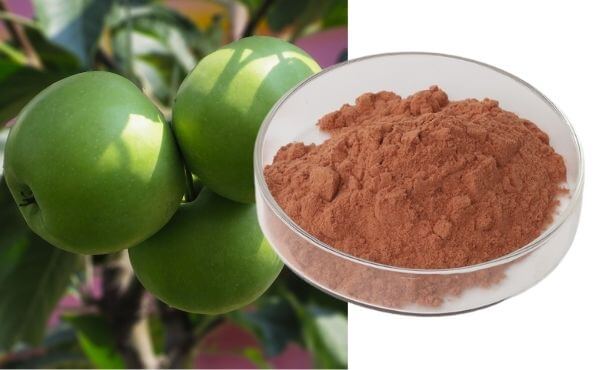
Physical characteristics also matter for formulation. Apple polyphenols are typically available as fine powders ranging from light brown to reddish-brown in color, with solubility varying based on the specific profile. Water-soluble grades are available for beverage applications, while standard grades may require formulation adjustments for complete dissolution .
Evaluating Supplier Capabilities
Beyond product specifications, supplier reliability can be assessed through several indicators. Operational metrics available through B2B platforms offer valuable insights:
-
Certifications: Look for GMP, ISO 9001, ISO 22000, and relevant organic certifications if required for your market.
-
Facility type: Direct manufacturers typically offer greater control over quality and supply continuity compared to trading companies.
-
Years in business: Longevity often correlates with stability and experience navigating regulatory requirements.
-
Third-party audits: Suppliers who welcome facility inspections demonstrate confidence in their operations.
The technical capabilities of potential partners also warrant evaluation. Can they offer customization of polyphenol profiles? Do they have experience with the specific application you are targeting—whether dietary supplements, functional foods, or cosmetics? Suppliers with in-house R&D capabilities and partnerships with research institutions are often better positioned to address formulation challenges .
Commercial Considerations
Packaging for apple polyphenol extracts typically consists of double-layer polyethylene bags inside 25kg fiber drums, sealed to protect against moisture and light. For smaller quantities or pilot batches, suppliers often offer 1kg aluminum foil bags. Sample-sized quantities are generally available for evaluation, with sample fees often refundable against first orders.
Minimum Order Quantities vary by supplier type and production scale. Direct manufacturers may require 25kg to 100kg minimums, while trading companies or smaller producers might accept lower quantities to accommodate new buyers. Lead times generally range from 3–7 days for in-stock items to 10–15 days for larger or customized orders.
Shipping options include express courier (DHL, FedEx, UPS) for urgent small orders, air freight for medium volumes, and sea freight for container shipments. Established exporters are fluent in Incoterms like FOB and CIF and can manage customs documentation for major markets.
Regulatory Landscape
Navigating regulatory requirements is an essential aspect of sourcing apple polyphenols for international markets. The European Food Safety Authority has validated apple polyphenols' role in maintaining normal blood pressure at daily doses of 100mg, providing manufacturers with substantiated claims for marketing purposes . In the United States, structure/function claims are permitted under DSHEA guidelines.
However, regulatory complexity varies by region and application. Therapeutic uses typically require more extensive documentation than nutritional applications. Suppliers experienced in exporting to regulated markets such as the EU, US, and Japan will be familiar with the documentation required for customs clearance and market access.
Safety considerations should also inform product development. Apple polyphenols are generally recognized as safe for oral consumption, with mild gastrointestinal effects such as diarrhea reported only at high doses . However, potential interactions with medications such as insulin should be noted on product labeling .
Strategic Sourcing Recommendations
For buyers entering the apple polyphenols market, a structured approach yields the best results:
-
Define requirements clearly: Specify target polyphenol content (e.g., 50%, 70%, 80%), preferred compound profile, and any certifications required.
-
Research suppliers systematically: Focus on manufacturers in established production regions like Shaanxi, Jiangsu, and Hunan. Verify their certifications and request client references.
-
Request comprehensive documentation: Product specification sheets, recent CoAs, and facility certifications should be provided upfront.
-
Validate with samples: Request physical samples and conduct independent lab tests to verify polyphenol content, solubility, and absence of contaminants before committing to volume orders.
-
Evaluate operational capabilities: Assess response times, technical knowledge, and willingness to address questions about extraction methods and quality control.
-
Consider total landed cost: Compare not just unit price but shipping terms, customs clearance support, and compliance documentation when evaluating value.
-
Build relationships gradually: Start with trial orders to evaluate consistency before scaling up to full production volumes.
A Mature Ingredient with Growing Potential
Apple polyphenols represent a mature ingredient category with substantial growth ahead. The scientific foundation is solid, the applications are diverse, and consumer awareness continues to expand. China's sophisticated supply chain—with its concentration of manufacturing expertise across multiple provinces, robust quality infrastructure, and experience serving global markets—offers a reliable gateway to this ingredient.
By approaching the market with clear specifications, rigorous evaluation criteria, and a commitment to quality validation, brands can confidently source apple polyphenols and harness their potential for the next generation of health and wellness products. The journey from orchard to formulation is complex, but with the right partners, it leads to products that deliver real value to consumers seeking natural solutions for lifelong health.
Comments (0)