







In the competitive world of nutraceuticals, few ingredients command attention like
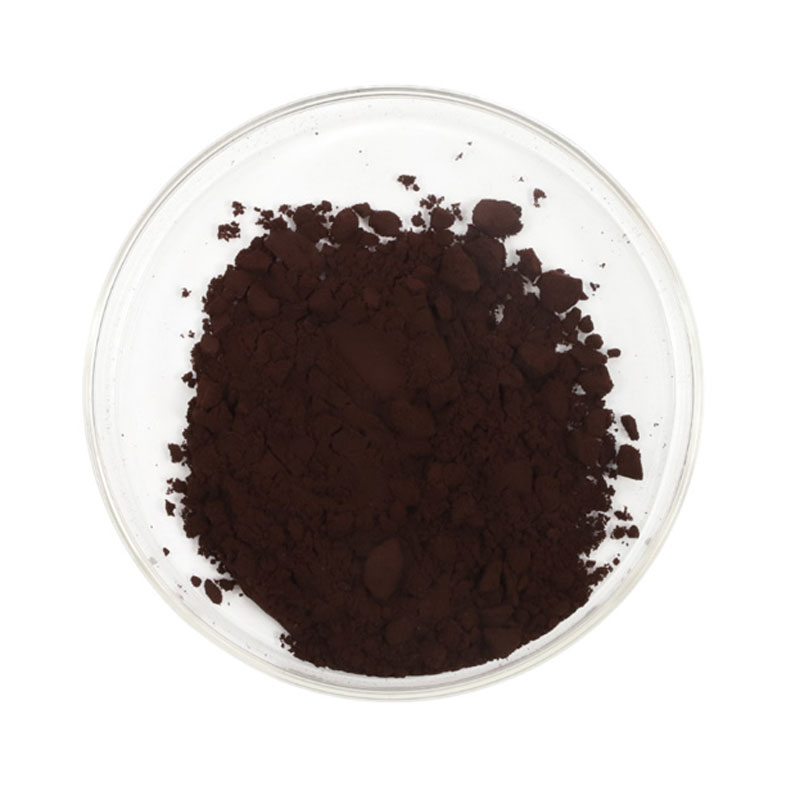
. Dubbed the "king of carotenoids," this potent antioxidant has become a must-have in dietary supplements, cosmetics, and even animal feed. At the heart of the supply chain for this vibrant red pigment lies a tiny green alga: Haematococcus pluvialis. For businesses looking to meet the surging demand for natural astaxanthin, the primary destination for sourcing bulk powder is China.
China has rapidly evolved into a powerhouse for microalgae cultivation. The country combines ideal climates for algae farming with advanced biotechnology infrastructure, allowing it to dominate the global supply of Haematococcus pluvialis powder . This isn't just about low-cost production; it's about industrial-scale capability and a deep commitment to the science of cultivation.
The Source and Its Superpower
Haematococcus pluvialis is a freshwater green alga with a remarkable survival mechanism. When stressed by intense light or nutrient deficiency, it produces massive amounts of astaxanthin as a protective shield. This gives the algae a deep reddish hue, transforming it into a biological factory for the molecule .
The resulting astaxanthin from this microalgae is the gold standard of natural antioxidants. Its free-radical scavenging ability is well-documented, often cited as being significantly more potent than other antioxidants like vitamin C and coenzyme Q10 . However, the real challenge for manufacturers lies not just in producing it, but in ensuring the final product remains stable and bioavailable. This is where the choice of supplier becomes critical.
Specifications: The Language of Quality
When you approach a Chinese supplier, you will encounter a range of product specifications. Understanding these is essential.
-
Standardization (Astaxanthin Content): The most common specifications you will see are 1%, 2%, 5%, and 10% astaxanthin content . The percentage indicates the concentration of the active ingredient in the powder. For most food and supplement applications, 1% to 5% is standard, while higher concentrations are often used for specialized formulations or cosmetics.
-
Form and Solubility: Standard powders are often oil-soluble, which can limit their use in certain applications like beverages. To address this, many suppliers offer microencapsulated or water-dispersible powders, which provide improved stability and allow for use in functional drinks and dry mixes .
The Manufacturing Giants
China's dominance is reinforced by the sheer scale of its production facilities. Currently, a massive new production base is under construction in Yunnan Province, which is set to become the world's largest Haematococcus pluvialis farming base. Upon completion, it aims to produce 200 tonnes of algae powder and 65 tonnes of astaxanthin oil annually . This isn't just a factory; it's a statement of intent about China's commitment to securing the top spot in the global astaxanthin market.
Vet Before You Buy
Given the premium price of quality astaxanthin, here is a practical checklist to ensure you are partnering with a reliable manufacturer:
1. Insist on Production Transparency
Distinguish between a direct manufacturer and a trading company. Direct manufacturers offer greater oversight of the production process, from strain selection to extraction. Look for suppliers who openly discuss their cultivation methods, such as the use of photobioreactors, which demonstrate a scientific and controlled approach to farming .
2. Certifications are Mandatory
A reputable supplier should provide evidence of rigorous quality standards. Look for facilities that hold:
-
ISO 9001 and cGMP: For quality management and production hygiene .
-
Kosher/Halal: For access to specific religious markets.
-
Organic (USDA, EU): For products targeting the organic segment .
-
FSSC22000: An increasingly important food safety management system .
3. Evaluate the Certificate of Analysis (COA)
This document is non-negotiable. A valid COA should confirm the astaxanthin content (e.g., ≥2% or 5%) and also test for:
-
Heavy Metals: Lead, arsenic, cadmium, and mercury must be within safe limits .
-
Microbial Contaminants: Total plate count, yeast, mold, and pathogens .
-
Residual Solvents: Ensuring the product is free from harmful residues .
4. Stability is the Real Test
Astaxanthin is notoriously sensitive to light, heat, and oxygen. A key differentiator between suppliers is the stability of their powder. Ask about the production date, batch records, and how the product performs in real-world formulation (e.g., softgels, tablets). The best suppliers focus on "stability-focused processing" to ensure the powder holds up better over time .
5. Consider Application Support
Not all powders work the same in every format. Some may flow better for softgels, while others are designed to blend evenly in capsules or beverages. Suppliers with strong R&D capabilities can adjust the powder characteristics depending on your application .
The Bottom Line
The Chinese Haematococcus pluvialis powder market offers a compelling combination of scale, scientific advancement, and cost-effectiveness. As the industry continues to professionalize, with significant investments in infrastructure and technology, the supply is becoming more reliable. For businesses that conduct thorough due diligence—focusing on certifications, specifications, and stability—China represents the most reliable and scalable source for this "red gold" ingredient.
Comments (0)