









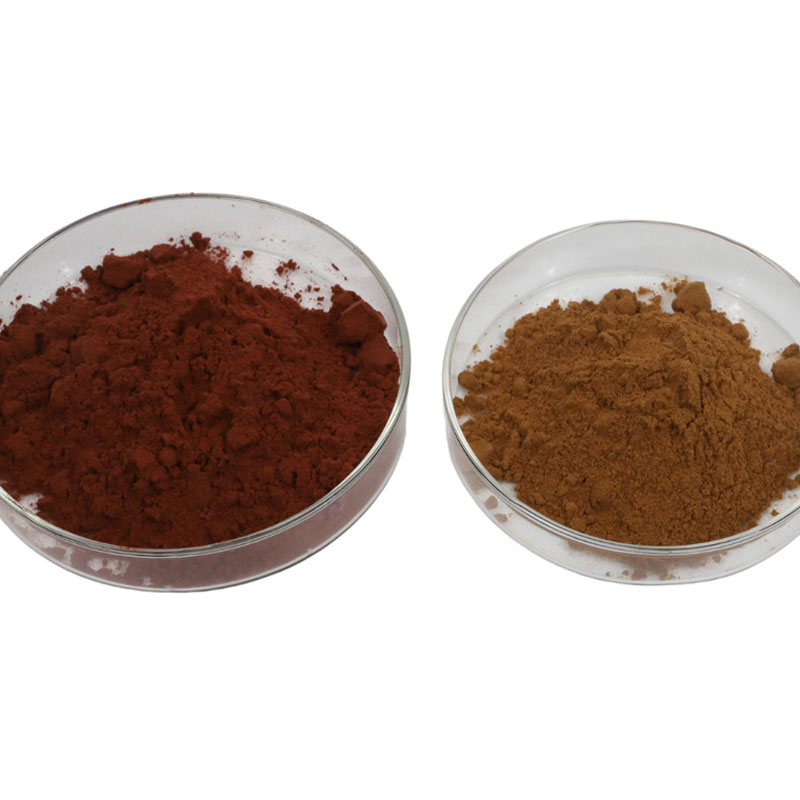
In the world of natural health ingredients, few botanicals have maintained such a consistent presence as valerian root. For centuries, this unassuming perennial plant has been the go-to remedy for restlessness and sleep troubles . Today, as the global nutraceutical market continues its upward trajectory, the demand for high-quality, standardized valerian root extract is higher than ever. For businesses looking to capitalize on this demand, the focus inevitably turns to one primary source: China.
China has established itself as a dominant force in the botanical extract supply chain. The country combines vast agricultural resources with advanced processing infrastructure, making it a hub for companies seeking a reliable and cost-effective supply of bulk ingredients . Understanding how to navigate this landscape is key to securing a consistent product that meets international standards.
The Heart of the Matter: What Makes Valerian Extract Valuable?
Before diving into the sourcing process, it's crucial to understand what you're buying. Valerian root extract is derived from the root and rhizomes of Valeriana officinalis. Its active components include volatile oils and a group of compounds called valerenic acids, which are generally considered the key marker for quality and standardization . The efficacy of valerian has been a topic of debate; while some research points to its traditional use for mild nervous tension and sleep support, other clinical reviews have found inconsistent results, often citing the variability in extract quality as a contributing factor . This inconsistency is precisely why choosing a reliable supplier is non-negotiable.
Standardization and Specifications: Speaking the Supplier's Language
When sourcing from China, you are typically offered a variety of "specifications." The most common are:
-
Ratio Extracts: Often seen as 4:1 or 10:1, indicating the amount of raw root used to produce one part extract. This is a traditional but less precise method of standardization .
-
Standardized Extracts: This is the industry standard for consistency. Look for extracts standardized to a specific percentage of valerenic acid. The most common specification is 0.8% Valerenic Acid . For more potent applications, high-grade extracts with up to 10% valerenic acid are also available .
High-quality suppliers will use HPLC (High-Performance Liquid Chromatography) to test and guarantee the valerenic acid content, ensuring every batch meets your formulation requirements .
The Manufacturing Landscape: Where to Look
China's botanical industry isn't monolithic. Production tends to be clustered in specific regions, each with its own strengths:
-
Shaanxi Province (Xi'an): Often considered the epicenter of the plant extract industry. This area is known for a dense concentration of GMP-certified facilities and a long history in Traditional Chinese Medicine. If you are looking for high-purity, specialized extracts, Shaanxi is a primary hunting ground .
-
Hunan Province: Known for integrated operations where raw materials are grown and processed nearby. This vertical integration can reduce costs and improve traceability, making it ideal for high-volume buyers seeking competitive pricing .
-
Other Hubs: Provinces like Jiangsu, Zhejiang, and Anhui also host significant manufacturing capabilities, often with a strong focus on export logistics and automation .
How to Vet a China Supplier
Selecting a supplier goes far beyond comparing the cheapest price per kilogram. Here is a practical checklist to ensure you are partnering with a reliable manufacturer:
1. Prioritize the Manufacturers
Distinguishing between a direct manufacturer and a trading company is vital. Direct manufacturers offer greater control over the production process, formulation, and ultimately, the consistency of the product . If you are placing large-volume orders, a direct partnership with a factory is often more beneficial.
2. Demand Certifications
In the regulated supplement market, paperwork is king. Reputable suppliers should readily provide evidence of the following:
-
ISO 9001: For quality management systems.
-
GMP (Good Manufacturing Practice): Crucial for ensuring production hygiene and process control .
-
Kosher/Halal: Required for specific market segments.
-
Organic (USDA, EU): If you are sourcing organic materials .
3. Scrutinize the COA (Certificate of Analysis)
This is the product's report card. A valid COA from a reputable supplier will show results for:
-
Active Ingredients: Confirming the percentage of Valerenic Acid (e.g., ≥0.8%).
-
Heavy Metals: Ensuring levels of lead, arsenic, cadmium, and mercury are within safe limits .
-
Microbiological Data: Checking for total plate count, yeast, mold, and pathogens like E. coli and Salmonella .
-
Pesticide Residue & Solvents: Confirming the product is clean and safe for consumption .
4. Ask for Samples
Never commit to a bulk order without testing. Most reputable manufacturers, such as Changsha Comext Biotech or Shaanxi Hongda, offer free samples (though you may need to cover shipping) . Use these samples to test solubility, odor, appearance, and, if possible, have them verified by a third-party lab to confirm the COA's claims.
5. Check Performance Metrics
Look for indicators of reliability. Are they responsive to inquiries? Do they have a high on-time delivery rate? Suppliers like Xi'an Eco Biotech, for example, have been noted for high reorder rates, which is a strong indicator of customer satisfaction .
The Bottom Line
Sourcing Valerian Root Extract from China is a process that favors the diligent. The market offers immense opportunity for cost savings and supply chain efficiency, but it also requires a cautious, evidence-based approach. By focusing on standardized ingredients, verified certifications, and thorough supplier vetting, businesses can secure a high-quality, reliable supply of valerian root extract that meets both regulatory demands and consumer expectations.

Comments (0)