









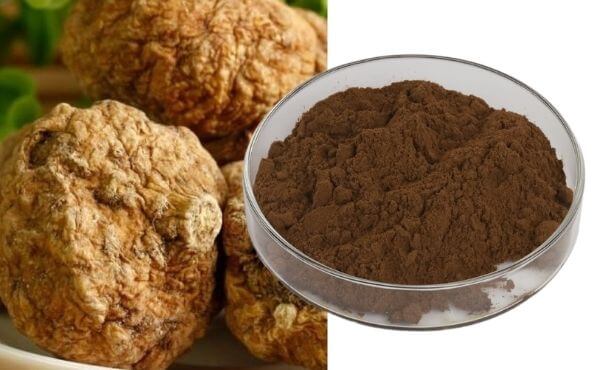
It goes by many names—Lepidium peruvianum, Peruvian Ginseng, or simply maca. This hardy root has been cultivated for thousands of years in the high Andes, traditionally valued as both a staple food and a tonic for energy and vitality. Today, maca extract is a staple in modern supplements targeting energy, hormonal balance, and overall well-being.
Behind the health claims and consumer buzz, however, is a complex supply chain. More and more companies are looking to Chinese suppliers for their maca wholesale needs. If you're a brand developing a new supplement line or a procurement manager diversifying your supply, here is what you need to know about sourcing Lepidium peruvianum extract from China.
The Science Behind the Superfood
The health effects of maca are backed by a growing body of research, not just anecdotal use. Its benefits are largely thanks to several unique groups of bioactive compounds:
-
Macamides & Macaenes. Unique to maca, these compounds are considered significant indicators of extract quality and contribute to its long-term energy and health benefits.
-
Glucosinolates. Responsible for many of maca's traditional medicinal properties.
-
Polysaccharides, Alkaloids & Sterols. Offer adaptogenic, immune-supporting, and overall wellness properties.
A 2022 systematic review found that 55 out of 57 studies reported positive effects related to sexual function, menopausal symptoms, memory, and depression. Another key observation is that different colored maca roots (black, red, yellow) possess distinct phytochemical profiles leading to different effects, a nuance progressive brands are starting to explore.
Why the World Turns to China for Maca Extract
You might expect maca to come straight from its native Peru. So why are so many supplement giants sourcing from China?
1. Massive Scale and Cost Advantage. China is the dominant global powerhouse for maca extract powder, with Shaanxi Province alone accounting for over 80% of global supply. This massive scale directly impacts wholesale prices, making Chinese-sourced extract significantly more competitive. Global trade data confirms that prices for maca extract from China are often nearly one-third the price of material from Peru.
2. Specialized Production Hubs. China has developed sophisticated biotechnology centers. Shaanxi Province is a key hub, mimicking the high altitudes of the Andes to cultivate potent maca plants. Meanwhile, Guangdong Province offers superior logistics and fast turnarounds for international orders. These regions are filled with vertically integrated operations, meaning the same supplier often oversees farms, extraction, and lab testing, ensuring full traceability and consistency.
3. Extensive Certifications. Top-tier Chinese suppliers operate serious facilities. It's common to find maca extract manufacturers with comprehensive certifications including GMP, ISO 22000 / FSSC 22000, HACCP, KOSHER, HALAL, and even USDA/EU ORGANIC.
There are Two Lepidium Names. Which One Matters?
Taxonomy can be a confusing snag. You'll commonly see extracts labeled as either Lepidium meyenii or Lepidium peruvianum. In the commercial sourcing world, they refer to the same plant and are used interchangeably. The name L. peruvianum is often used to emphasize its authentic South American heritage.
Focus less on the Latin name and more on what is on the Certificate of Analysis. For a trustworthy supplier, the consistent presence of key bioactive compounds (macamides, glucosinolates) matters far more than a minor taxonomic distinction.
Choosing the Right Extract: Ratio vs. Standardization
This is the most critical technical decision you'll make. Chinese suppliers typically offer maca extract in two ways:
1. Ratio Extracts (e.g., 10:1, 20:1). The number indicates the concentration level. For example, 20 kilograms of dried maca root were used to produce 1 kilogram of final extract powder. This is the most common type available and provides a consistent "fingerprint" of the whole plant's phytochemicals.
2. Standardized Extracts (e.g., Macamides ≥0.5%). A more precise option ensuring a guaranteed minimum percentage of a specific bioactive marker—often macamides or polysaccharides. This guarantees a specific potency per dose, making it ideal for clinical applications and precise formulations.
Key Takeaway: Decide which approach matches your product's formulation goals and marketing message.
5 Red Flags to Watch Out For on Your COA
Before placing your first order, scrutinize these critical points on a supplier's Certificate of Analysis (COA):
-
Heavy Metal Limits. Lab-tested results should show Lead (Pb) under 2 ppm, Arsenic (As) under 1 ppm, and total heavy metals under 10 ppm.
-
Microbiological Safety. Ensure the COA shows clear specs for Total Plate Count, Yeast & Mold, E. coli, and Salmonella all within legal limits (e.g., TPC ≤ 1,000 cfu/g).
-
Macamide Testing Methodology. Ask if they're using HPLC (more accurate) or UV spec testing. Reputable manufacturers provide HPLC data on standardized compounds.
-
Solvent Residue. Ask if the extract is solvent-free or if residual levels are within safe limits.
-
Batch-to-Batch Consistency. Request COAs from three different production batches. This proves their process is stable and reliable.
Final Thoughts for Smart Sourcing
Lepidium peruvianum maca extract is an ingredient where "good enough" isn't good enough. By sourcing from China, you're not cutting corners—you're leveraging massive, specialized production infrastructure that can deliver affordable, consistent, and certified quality.
The key is to know exactly what you're buying. Understand the difference between a 10:1 ratio extract and a 5% macamide-standardized powder. Choose a region that aligns with your supply chain needs. And most importantly, never, ever trust a product without a full, third-party-verified COA.
A little due diligence upfront will pay dividends, helping you build a product that consumers can trust and a brand that stands out in a crowded market.
Comments (0)