







As automotive technology continues to evolve, smart film is becoming an increasingly valuable solution for modern vehicle glazing. From panoramic sunroofs to side windows, switchable smart film offers flexible control over glass transparency while supporting contemporary vehicle aesthetics. However, achieving reliable performance requires more than simply applying smart film to automotive glass. Pattern etching plays an important role in defining functional areas, managing electrical separation, and ensuring compatibility with different glazing structures.
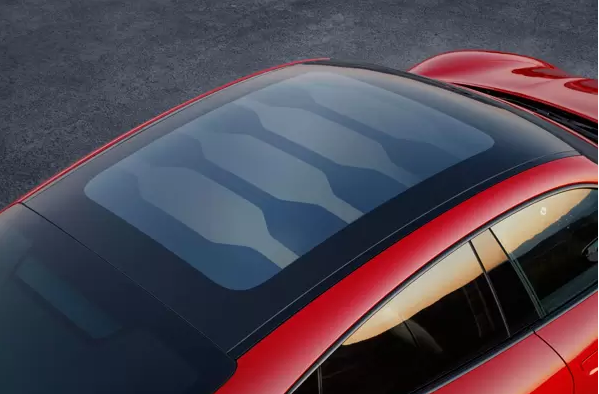
1. Defining Functional Zones Through Pattern Etching
Pattern etching is a specialized processing technique used to remove selected portions of conductive layers or create electrical isolation boundaries within smart film. This allows manufacturers to develop customized layouts according to specific automotive requirements.
For example, certain applications may require multiple switching zones, while others need clearly defined non-switching areas. Pattern etching helps establish these boundaries and supports the intended electrical configuration.
It is important to understand that electrical separation alone does not guarantee independent dimming control. Each switching zone must also have an appropriate electrode arrangement, electrical connection, and compatible control system.
2. Adapting Smart Film to Different Automotive Glass Shapes
Automotive glazing comes in various shapes and sizes. Panoramic roofs, rear windows, and side windows all have different contours, mounting structures, and installation limitations.
Pattern etching allows the film layout to be customized around these physical requirements. For panoramic sunroofs, for instance, isolation lines and active areas must be carefully positioned to accommodate curved corners and surrounding frames.
For side and rear windows, designers must consider tapered edges, door structures, trim, and available electrical connection space. Proper pattern planning helps maintain the required active switching area without interfering with the glazing assembly.
3. Improving Electrical Isolation and Switching Performance
Electrical configuration is one of the most important considerations in automotive smart film design. The conductive layers must deliver a suitable electrical field across the intended active areas.
Accurate etching helps define isolation boundaries between conductive regions. When multiple switching zones are required, these boundaries must work together with the electrode and busbar arrangements.
Manufacturers should carefully evaluate isolation line placement, connection positions, boundary consistency, and electrical routing. Appropriate electrical testing is also necessary to verify that the finished film meets its intended specifications.
4. Balancing Visual Appearance and Manufacturing Accuracy
Besides functional performance, pattern etching influences the overall appearance of automotive smart film.
Poorly positioned boundaries may become noticeable when the film is installed behind finished glass. Glass curvature, surrounding trim, lighting conditions, and the optical properties of the complete assembly can all affect the final appearance.
Therefore, manufacturers should evaluate etched patterns using representative glazing samples rather than relying entirely on digital drawings. Unnecessary pattern complexity should also be avoided because additional lines and functional zones can increase processing and inspection requirements.
5. Why Prototype Testing Matters
Before mass production, automotive smart film patterns should undergo prototype evaluation. Important inspection areas include dimensional accuracy, electrical isolation, switching behavior, and visible boundary consistency.
The approved design should also be checked against the actual glass geometry and installation conditions. Clear engineering drawings, defined tolerances, and controlled design revisions help reduce production errors and unnecessary sample modifications.
Working closely with an experienced smart film supplier can further improve communication between film processing, electrical engineering, and glazing assembly teams.
Conclusion
Pattern etching is an essential part of customized automotive smart film development. It helps define functional areas, establish electrical isolation, and adapt smart film layouts to different vehicle glazing structures.
Successful implementation depends on the coordination of film construction, electrical design, glass geometry, processing accuracy, and prototype validation. By addressing these factors early, automotive manufacturers can develop smart film solutions that meet both functional expectations and visual requirements while supporting reliable production.
Comments (0)